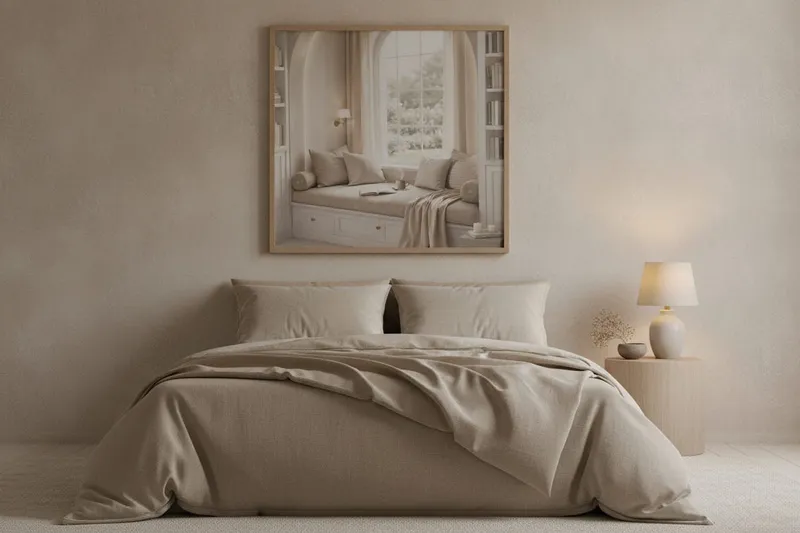
The Last Thing You See Before Sleep
Why bedroom wall art is a sleep decision, not a decor decision
Essays on nervous system reset, rest guilt, overstimulation, and the small permissions that help an overworked body land softly again.
It starts with one surface that stops asking things of you
On finding the version of soft living that fits the room you already have
A printable journal for the notebook that has been open to the same page since March
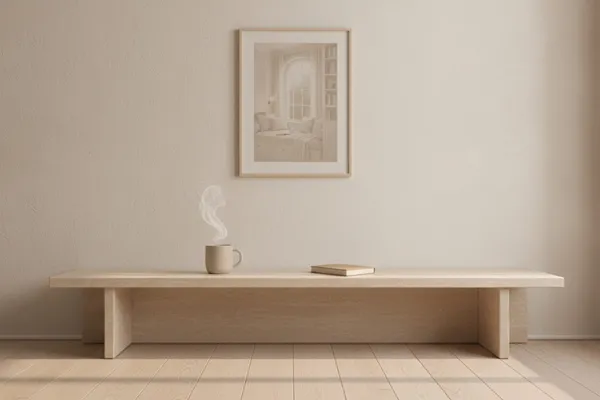
Five minutes, one light, one believable cue
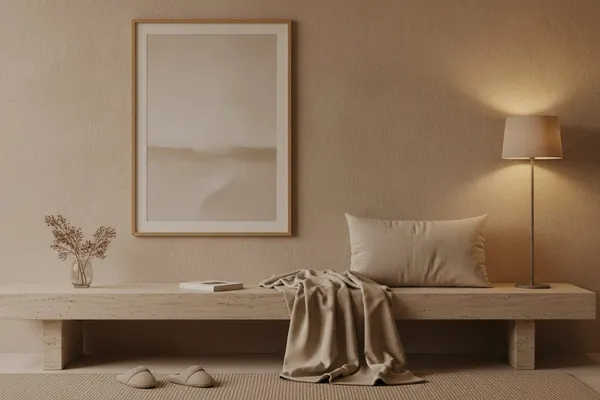
On choosing neutral art that holds a room instead of disappearing into it
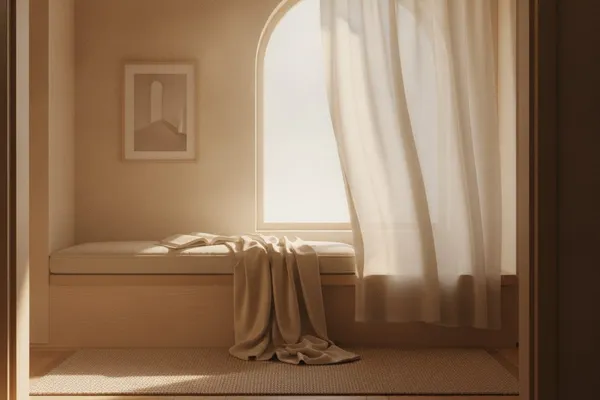
A corner for the book, the body, and the nervous system
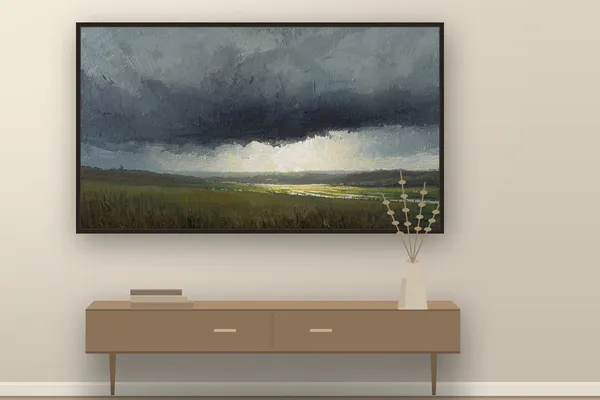
Calm art for a Samsung Frame TV: what actually looks right in Art Mode, and where the free ones fall short.
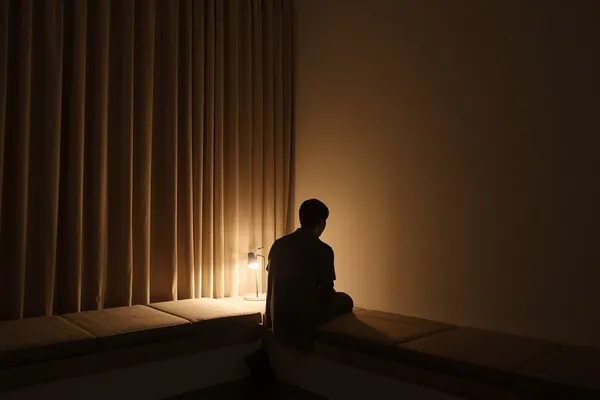
On sitting inside a calm you don't fully feel yet.
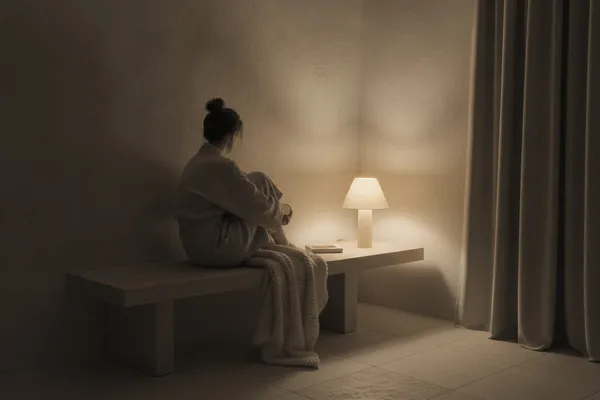
They were the ones with edges.
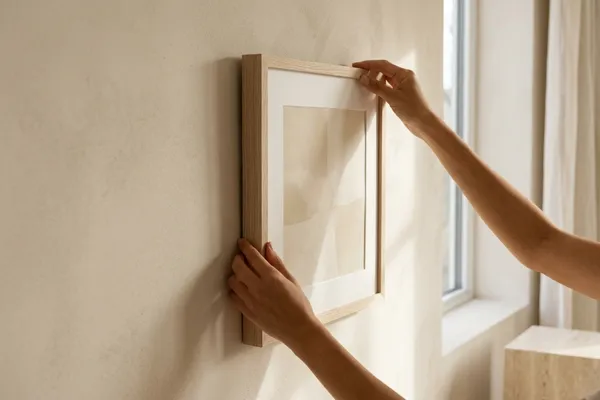
Neutral wall art can settle a room or flatten it completely — the difference is tone, not color count. Here's what separates the two.
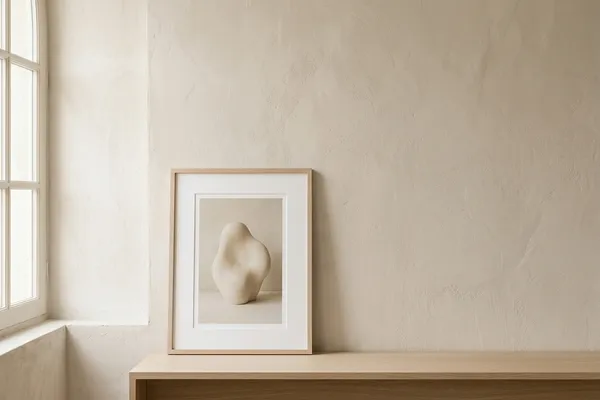
Most minimalist wall art reads as cold, not calm. Here's what separates a minimalist print that settles a room from one that looks unfinished.
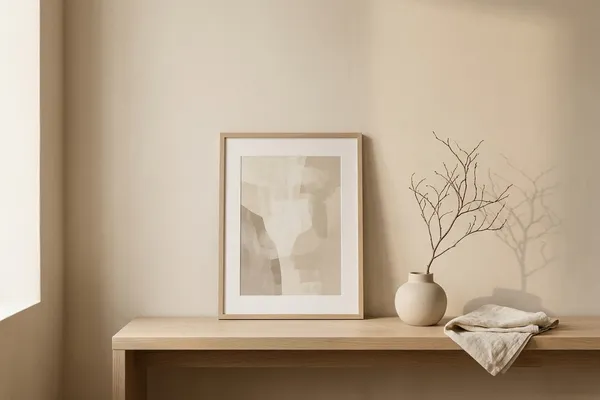
Japandi wall art means natural materials, warm minimalism and imperfection left in. How to choose prints that fit it.
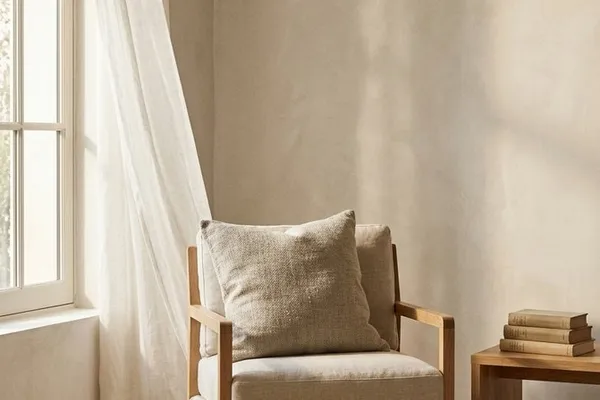
A reading nook needs four things: a seat, good light, something soft, and a boundary. Here's how to build one, even in a tiny rented room.
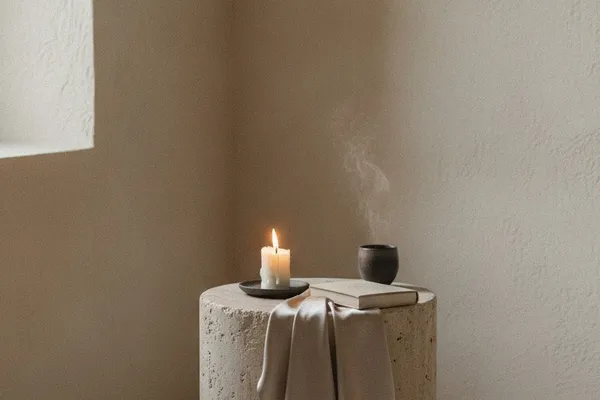
A nervous system reset isn't a bubble bath or a deep breath. It's the moment you stop adding input and let the system clear.
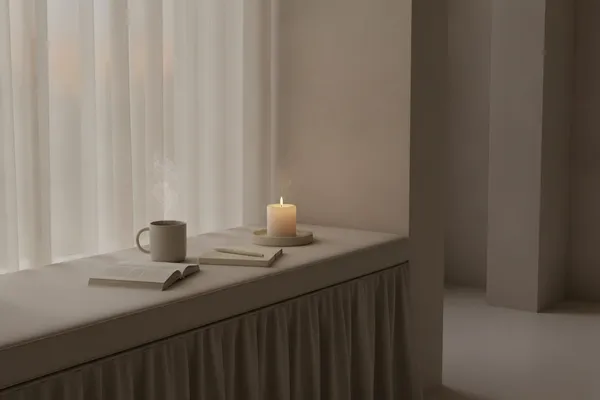
Some Fridays become more believable when the weekend arrives through one smaller threshold instead of all at once.
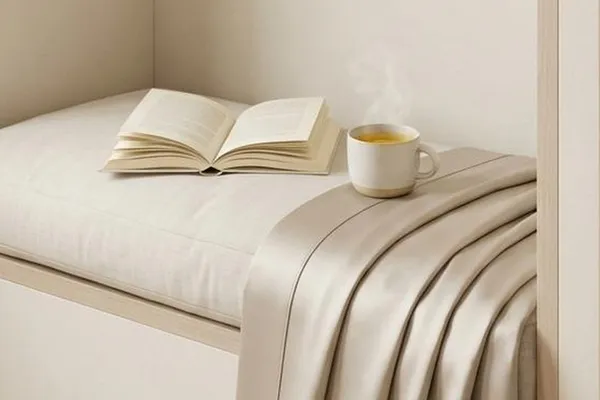
Calm aesthetic wallpapers — soft, unsaturated phone and desktop backgrounds with nothing asking for your attention. Five free downloads inside.
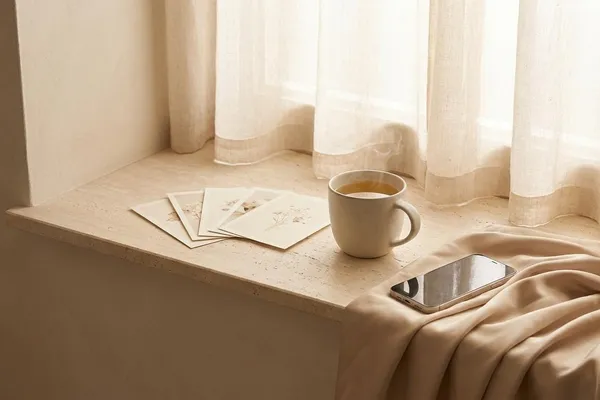
Five wallpapers for the nervous system — and a gentle note about where the letters went.
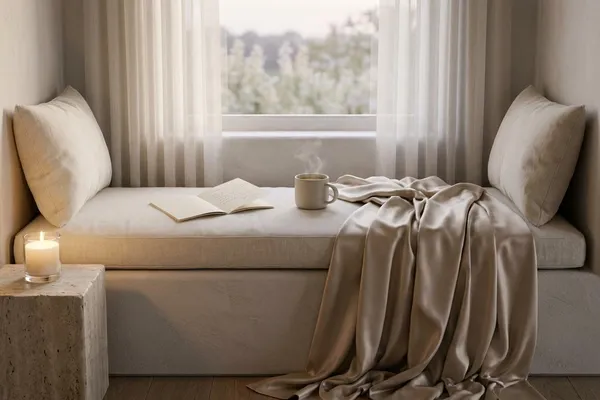
After a high-input day, your nervous system needs a decompression window before quiet actually feels quiet — it isn't the room, it's you.
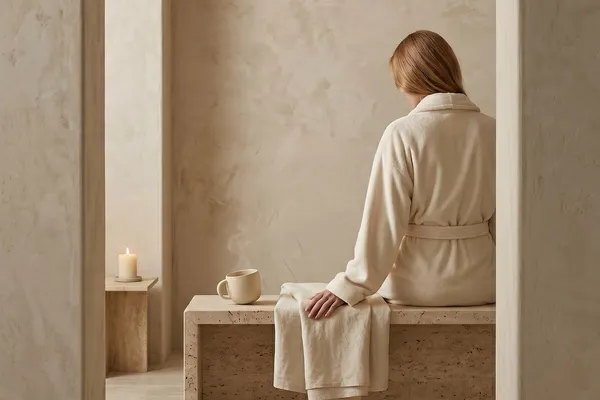
If you can't relax even when nothing is left to do, rest guilt isn't laziness. Your nervous system learned that stopping is only safe after proof.
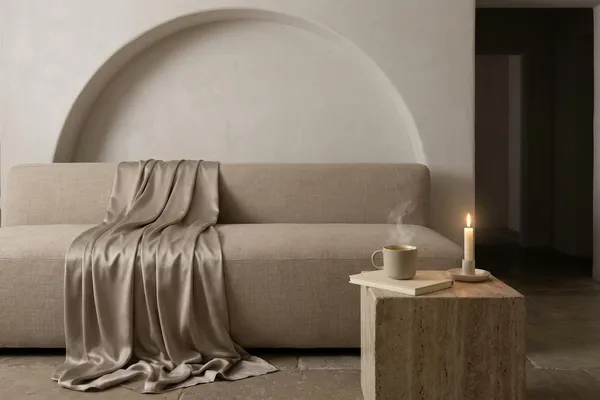
Stopping feels morally loaded because somewhere you learned that rest has to be earned — and your body is still waiting for permission.
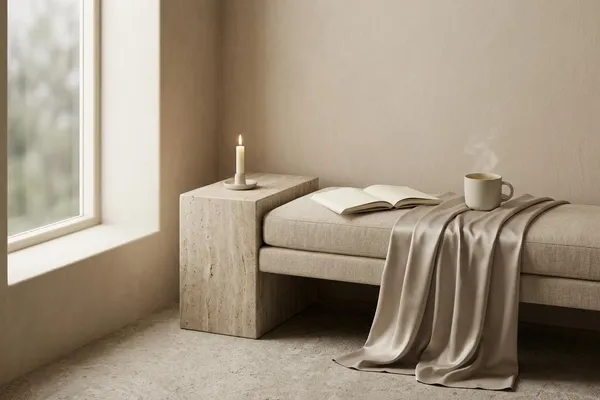
Your body stays in readiness after a big push because sustained stress trains your nervous system to keep scanning for the next threat.
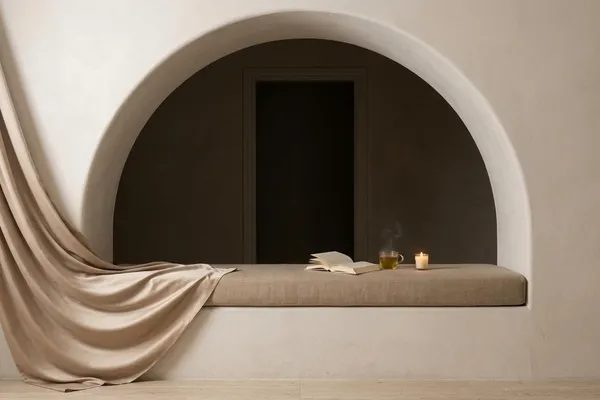
A calm environment can help your nervous system regulate, but the room doesn't calm you — you borrow the regulation from it, slowly.
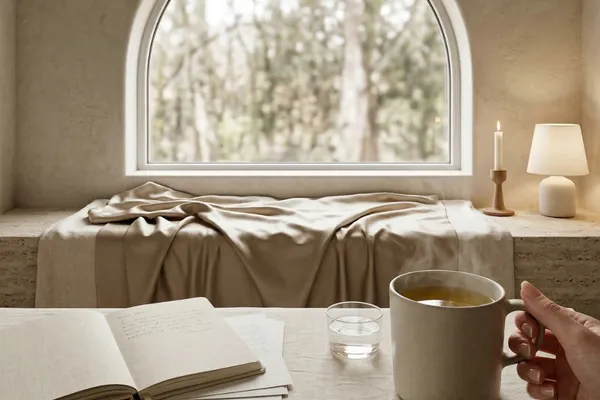
If calm makes you anxious, your nervous system isn't broken — it's been trained to treat stillness as a warning sign. Here's why.

The silence after a big push feels wrong because your nervous system is still running the sprint — it doesn't know the finish line was real.
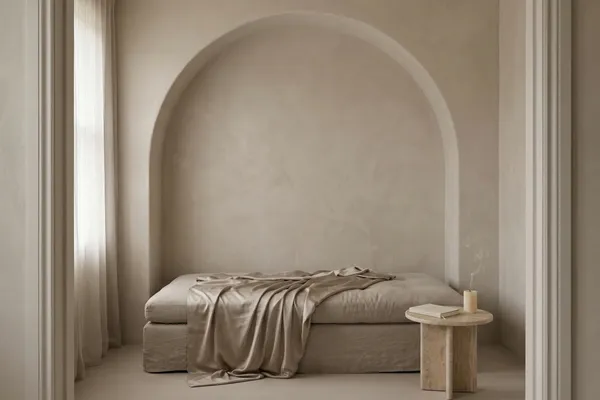
When healing asks you to stop, the hardest part isn't the stillness — it's letting go of the need to perform recovery correctly.
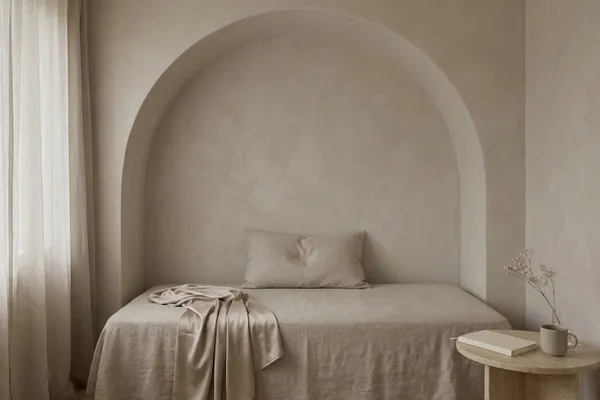
If you're tired of proving yourself, you're not failing at confidence — you're depleted by a system that made worthiness feel conditional.